
Damp Reports for Lenders and Solicitors
What a mortgage valuer's damp referral means and what report satisfies it.
Read the guide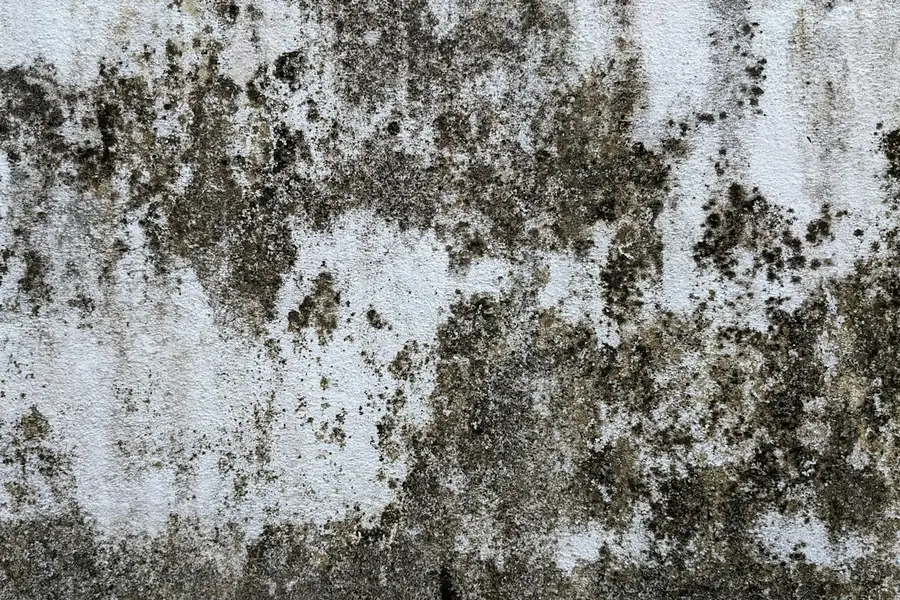
Neither panic nor dismissal is the right response. Here is what the health risk actually is, who carries most of it, and what removes mould as opposed to what merely hides it.
Last reviewed September 2026 by Tony Murphy, Founder & Managing Director. We update these guides in place rather than letting them go stale.
The NHS position is that damp and mould affect the respiratory system, the immune system and the skin. Mould produces allergens, irritants and — in some species — toxic substances, and inhaling or touching spores can provoke a reaction.
In practice the commonly reported effects are respiratory symptoms such as wheezing, coughing and worsened asthma; allergic reactions including sneezing, runny nose, red eyes and rashes; increased frequency of respiratory infections; and, over sustained exposure, a measurable effect on general wellbeing and sleep.
Government guidance for rented housing providers is explicit that these risks are real and that damp and mould should not be treated as a cosmetic or lifestyle matter.
Risk is not evenly distributed, and this is the part that matters most when deciding how urgently to act.
If mould is growing in a bedroom used by anyone in these groups, treat it as urgent. That is not a sales position; it is what the guidance says.
Mould in a nursery or a child's bedroom, mould where someone has a diagnosed respiratory or immune condition, or mould spreading across more than about a square metre. Call 0207 126 8487 rather than waiting for better weather — mould problems do not improve on their own over a winter.
Partly, and less than people assume. On a hard, non-porous surface such as tile or glass, household bleach will kill surface growth effectively.
On porous materials — plaster, plasterboard, wallpaper, timber, grout — it works considerably less well. The active chlorine stays largely on the surface while the water content soaks in, and the mycelium below the surface survives. The visible black staining disappears, which reads as success, and the colony regrows.
Biocidal treatments formulated for mould are designed to penetrate porous substrates and kill the growth rather than bleach the pigment. That is what we use, and where contamination has gone beyond the surface we cut out and replace the affected plaster or plasterboard instead.
You can, and it is among the most common false economies in domestic property. Anti-mould paints have a genuine role — as the final step on a surface that remains higher-risk after the cause is fixed and the contamination removed.
Applied over live growth, the coating hides the problem for a few months while the mould continues underneath. The moisture source is untouched, so it reappears, and you end up stripping more material than if it had been dealt with properly.
Mould that returns within a winter means step one was wrong. That is the test of whether a diagnosis was right.
For a small patch — less than about a third of a square metre, on a hard surface, with no vulnerable occupants — cleaning it yourself is reasonable. Ventilate the room, wear gloves and an FFP2 mask, avoid brushing or vacuuming dry growth because that disperses spores, and bag the cloths afterwards rather than rinsing them in a sink.
Do not attempt it yourself if the area is large, if it keeps returning, if it is in a bedroom used by someone vulnerable, or if there is an underlying damp problem you have not identified. And note that cleaning treats the symptom — the reason it grew there has not changed.
It carries real health risks, particularly respiratory ones. NHS guidance links damp and mould to respiratory infections, allergic reactions, worsened asthma and effects on the immune system and skin. The risk is highest for infants, older people, and anyone with an existing respiratory or immune condition. It is not a cosmetic problem and should not be left over a winter.
On hard non-porous surfaces like tiles, yes. On porous materials such as plaster, plasterboard, wallpaper and timber it is unreliable — the surface stain is removed while growth below survives, so it regrows. A biocidal treatment designed to penetrate the substrate is more effective, and heavily contaminated plasterboard is better cut out and replaced.
Not as a first step. Painting over live mould conceals it for a few months while the growth continues beneath the coating, and the moisture source remains untouched. Anti-mould coatings are useful as the last step, after the cause has been fixed and the contamination removed, on surfaces that stay higher risk.
As a rough threshold, anything beyond about a third of a square metre, anything that keeps coming back, anything in a room used by a vulnerable person, and anything where you have not identified why it is growing. Below that, on a hard surface, with ventilation, gloves and an FFP2 mask, cleaning it yourself is reasonable — but it treats the symptom only.
Only if the moisture source was not resolved. Mould needs spores, food and moisture; the first two are present in every building and cannot be removed, so moisture is the only variable. If mould returns within a winter of treatment, the diagnosis was wrong rather than the treatment defective.
What a mortgage valuer's damp referral means and what report satisfies it.
Read the guideWhat you pay, what you get for it, and why a free survey is rarely free.
Read the guideThe two are confused constantly, and treating one as the other is expensive.
Read the guide
Book a survey and you get a written report: what is causing the damp, what it takes to fix it and what it costs. No pressure, no guesswork.
Survey fee deducted from the cost of works if you proceed